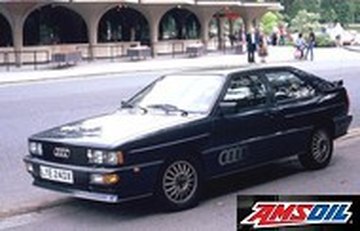
Maintaining Lubrication Standards for the 1981 Audi COUPE 2.2L
Proper engine care for a vehicle of this era requires a focus on consistent monitoring and adherence to specific fluid requirements. For the 1981 Audi COUPE equipped with the 2.2L engine, maintaining the integrity of the lubrication system is a fundamental aspect of long-term mechanical health. Because older engines may exhibit different sealing characteristics than modern counterparts, a proactive approach to inspection and oil selection is beneficial for any owner.Monitoring Fluid Integrity and Seepage
A primary component of routine maintenance involves regular visual inspections of the engine bay to identify any signs of fluid loss. For an engine from 1981, it is useful to look for evidence of seepage around various gaskets and seals. While some level of minor weeping can occur as components age, significant or active leaks should be investigated promptly. When performing these checks, focus on the following areas:- Sealing Surfaces: Inspect the areas where major engine components meet to check for oily residue or staining.
- Drain Areas: Look at the underside of the engine and the area around the oil pan for any dripping or accumulation of old lubricant.
- External Connections: Check various connections and mounting points for signs of moisture or fluid migration.
Observing Potential Operational Changes
Beyond visual inspections, an owner should remain attentive to how the vehicle behaves during operation. Changes in the way the engine sounds or smells can sometimes be associated with the condition of the lubrication system. For example, a distinct odor that appears after the engine has reached operating temperature might indicate that oil is contacting a hot external surface. Similarly, any unusual mechanical noises that develop or change over time should be noted. It is important to remember that these symptoms are not definitive diagnoses; they can be caused by many different factors and often require a professional inspection to identify the exact source of the issue. If an oil-related warning indicator appears on the dashboard, this requires immediate attention. Such indicators are critical signals that the system may not be operating within its intended parameters.Prioritizing Maintenance Based on Current Condition
As vehicles age, maintenance strategies often shift from strictly following a calendar to focusing on the actual condition of the mechanical components. For the 1981 Audi COUPE, this means using the current state of the engine as a guide for service priorities. If you are beginning ownership of this vehicle without a complete service history, establishing a maintenance baseline is a practical first step. This involves:- Reviewing Available Records: Documenting any known past repairs or fluid changes to understand the vehicle's recent service life.
- Assessing Component Condition: Rather than replacing parts based solely on their age, inspect them for actual wear, cracking, or deterioration.
- Addressing Active Concerns: Prioritize resolving any active leaks or observed warning signs before moving on to general preventive tasks.
Managing Aging Engine Components
Maintaining an older vehicle involves a careful balance of preventive care and condition-based monitoring. For components such as belts or hoses, if they are present on your specific application, regular inspections for signs of aging are advisable. Look for evidence of cracking, glazing, fraying, or general deterioration in any accessible drive belts. Similarly, inspect hoses for softness, swelling, or brittleness. Electrical connections and wiring should also be checked for signs of corrosion or insulation damage, as these can affect the overall reliability of engine systems. Maintaining a clean environment within the engine bay can also assist in spotting new leaks or issues before they become problematic. Consistent record-keeping of all fluid changes, filter replacements, and mechanical observations will provide a valuable tool for managing the vehicle's long-term health.Selecting Lubricants for Long-Term Engine Health
When it comes to choosing an engine oil, the goal is to find a product that aligns with the specific needs of the 2.2L engine architecture. While modern oil technology offers various formulations, such as conventional, synthetic blends, and full synthetics, the most important factor is matching the lubricant to the application requirements. Some owners may consider high-mileage oil formulations, which are designed with additives intended for use in aging engines. These formulations sometimes include seal-conditioning additives that may assist in maintaining the flexibility of older seals. However, the choice between a conventional oil and a synthetic option should be guided by the specific technical information provided for your vehicle rather than general assumptions about age. Always ensure that any lubricant you select meets the appropriate quality standards and certifications relevant to the engine's design. Checking the product labels carefully before purchase is an essential step in ensuring compatibility.Practical Advice for Buying Engine Oil for your 1981 Audi COUPE 2.2L
To ensure the continued performance of your 1981 Audi COUPE 2.2L, you must match the engine oil to the application-specific viscosity information shown on this page. Do not rely on memory or general automotive knowledge to select a grade, as using an incorrect viscosity can affect how the engine is lubricated under different operating conditions. When you are ready to purchase new lubricant, follow these steps:- Verify Viscosity: Match your selection exactly to the vehicle-specific oil viscosity listed in the application information provided above.
- Check Certifications: Ensure the oil meets the necessary API service classifications for your engine type.
- Evaluate Formulations: Based on the specific requirements of your engine, decide if a conventional, synthetic blend, or full synthetic oil is most appropriate according to the technical data available.
- Inspect Packaging: Always confirm that the product in the container matches the specifications you have identified for your 2.2L engine.